Products that spend their lives outdoors face conditions that indoor packaging may never encounter. Sunlight, rain, humidity, freezing temperatures, summer heat, dirt, chemicals, and constant temperature changes can all take a toll on outdoor product labels.
A label may look perfect when it leaves the production facility but begin fading, peeling, cracking, or becoming difficult to read after months outside. For businesses selling products intended for outdoor storage or use, choosing the correct label construction is essential.
Outdoor product labels need more than attractive graphics and a strong initial bond. The material, adhesive, ink, protective finish, surface, and expected lifespan all need to work together to withstand the environment in which the product will actually be used.
Understanding these factors can help businesses choose labels that remain attractive, readable, and securely attached throughout the intended life of the product.
Why Outdoor Environments Are Hard on Product Labels
Outdoor exposure presents several challenges simultaneously.
A label may experience intense sunlight during the day, rain in the afternoon, cool temperatures overnight, and then repeat the cycle the following day. Seasonal products may encounter temperatures ranging from summer heat to freezing winter conditions.
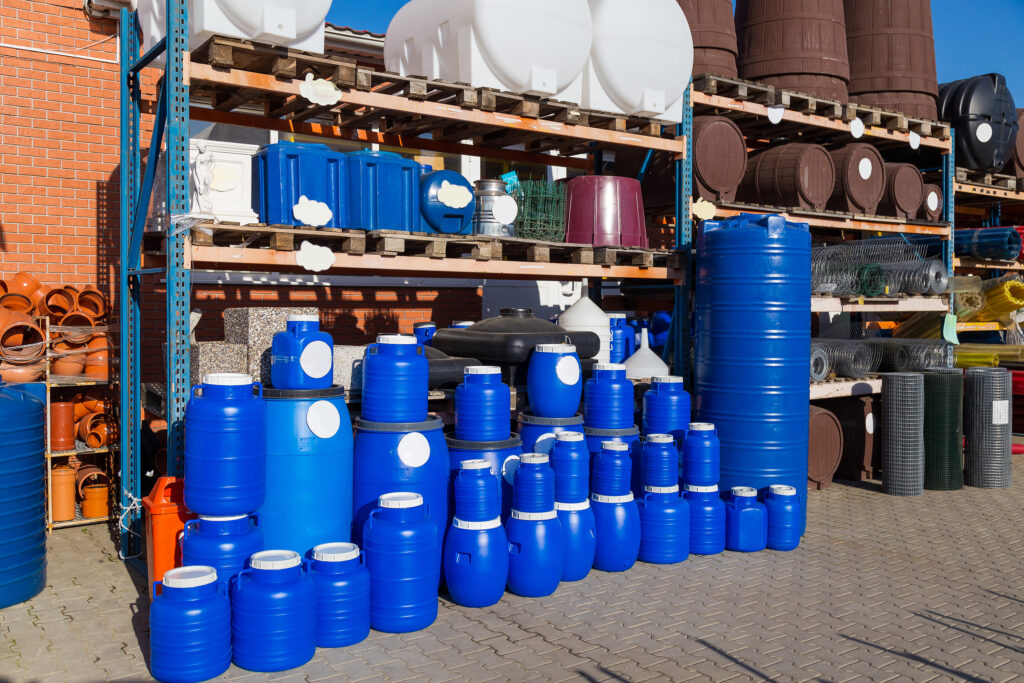
Potential outdoor hazards include:
- Ultraviolet radiation
- Rain
- Snow and ice
- Humidity
- Heat
- Freezing temperatures
- Rapid temperature changes
- Dirt and dust
- Chemicals
- Oils
- Abrasion
- Frequent handling
Choosing outdoor product labels requires evaluating which of these conditions the product is likely to encounter and how long the label needs to survive.
Products that remain outdoors for extended periods may require specialized materials and adhesives designed for demanding conditions rather than standard labeling materials intended primarily for indoor environments.
Start With the Expected Life of the Product
One of the first questions to ask when selecting outdoor product labels is simple: How long does the label need to last?
A label attached to a seasonal garden product for several months has very different requirements from an equipment identification label expected to remain readable for years.
Consider whether the label needs to perform for:
- Several weeks
- One season
- One year
- Several years
- The entire usable life of the product
The longer the expected lifespan, the more important UV stability, weather resistance, adhesive performance, and protective finishing become.
The label should be designed around the actual lifespan of the product rather than simply surviving long enough to reach the customer.
UV Exposure Can Cause Labels to Fade
Sunlight is one of the biggest threats to outdoor product labels.
Ultraviolet radiation can affect both the label material and the printed image. Over time, colors may fade, printed information may become difficult to read, and some materials can become brittle or discolored.
This becomes particularly important when the label contains information that needs to remain readable, such as:
- Safety warnings
- Operating instructions
- Product identification
- Serial numbers
- Barcodes
- QR codes
- Compliance information
- Manufacturer information
Branding matters, but outdoor label durability can also be a functional concern.
Materials, inks, and protective finishes should therefore be chosen based on the amount of UV exposure the product is expected to receive.
A product stored beneath a covered structure may require less UV protection than equipment exposed to direct sunlight every day.
Choose a Label Material Designed for the Environment
Material selection is one of the most important decisions when developing outdoor product labels.
Traditional paper labels can perform well in many controlled indoor environments, but outdoor applications often require greater resistance to water, humidity, abrasion, and temperature changes.
Film materials are frequently considered for demanding outdoor applications because they can provide improved moisture and environmental resistance.
Depending on the application, potential film materials may include:
- Polyester
- Polypropylene
- Polyethylene
- Vinyl
- Specialty synthetic films
The correct material depends on the product, surface, environment, flexibility requirements, and expected service life.
A rigid piece of industrial equipment may need a very different label material than a flexible container stored outside.
Moisture Resistance Is Critical
Outdoor products eventually get wet.
Even when products are stored beneath a roof or inside an open structure, humidity and condensation can expose labels to moisture.
Rain, dew, snow, ice, pressure washing, and routine cleaning can create additional challenges.
Moisture can affect the face material, printed graphics, and adhesive. A poorly suited material may absorb water, wrinkle, deteriorate, or separate from the product.
For outdoor product labels, businesses should consider both direct and indirect moisture exposure.
For example, an agricultural product may never sit directly in the rain but could still experience significant humidity, condensation, and regular washing.
Choosing moisture resistant materials and an appropriate adhesive can help maintain label performance under these conditions.
Adhesive Selection Can Determine Whether the Label Survives
A durable face material does little good if the label eventually falls off.
Adhesive selection is one of the most important parts of creating reliable outdoor product labels.
Outdoor conditions can place significant stress on the adhesive. Heat can affect some adhesive systems, while extremely cold temperatures can affect others. Water, humidity, UV exposure, chemicals, and the surface itself can further influence adhesion.
The appropriate adhesive depends on both the environment and the material to which the label will be attached.
A label manufacturer can help determine whether an application requires a permanent adhesive, an adhesive designed for difficult surfaces, or another specialized construction.
Know What Surface You’re Labeling
Not all surfaces are equally easy to label.
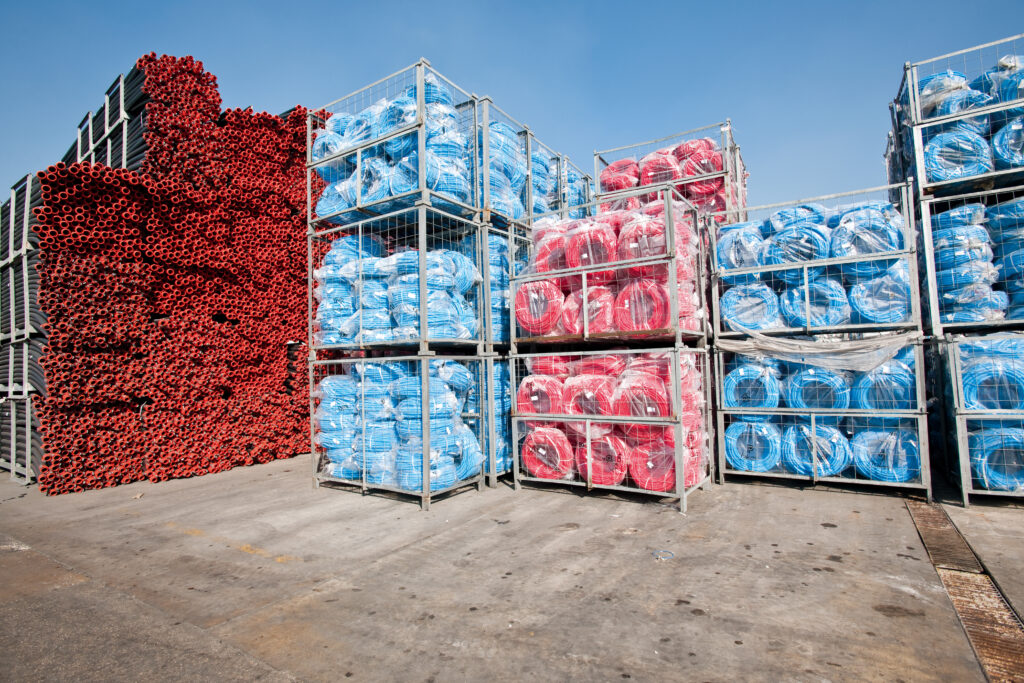
Outdoor products may be made from:
- HDPE
- Other plastics
- Painted metal
- Bare metal
- Powder coated metal
- Glass
- Wood
- Composite materials
- Textured surfaces
The surface can have a significant effect on label adhesion.
Certain plastics, for example, have surface characteristics that can make them more difficult for adhesives to bond to. Rough or textured surfaces can also reduce the amount of direct contact between the adhesive and the product.
This is why outdoor product labels should be selected based on the actual container or product rather than choosing an adhesive without considering the substrate.
Whenever possible, testing the label on the exact surface can help identify potential adhesion problems before production begins.
Surface Preparation Matters Too
Even the correct adhesive can struggle if the surface isn’t ready for labeling.
Dirt, dust, oil, moisture, rust, and other contaminants can create a barrier between the adhesive and the product.
Whenever possible, labels should be applied to a clean and dry surface.
Application conditions matter as well.
Applying a label when the surface is excessively hot or cold can interfere with the adhesive’s ability to establish its initial bond.
This creates an important distinction between application temperature and service temperature.
A label may be capable of surviving freezing temperatures after the adhesive has established a strong bond without necessarily being designed for application to an extremely cold or frozen surface.
Understanding how and where outdoor product labels will be applied is therefore just as important as knowing where the finished products will eventually be stored.
Temperature Changes Can Stress the Entire Label
Outdoor products don’t experience one consistent temperature.
A piece of equipment sitting outside may become extremely hot under direct summer sunlight before cooling considerably overnight. In winter, the same equipment may remain below freezing for extended periods.
These repeated changes can stress the label material and adhesive.
When selecting outdoor product labels, consider:
- Lowest expected temperature
- Highest expected temperature
- Temperature at the time of label application
- Frequency of temperature changes
- Whether the product experiences direct sunlight
- Whether the product moves between indoor and outdoor environments
These details can help determine which label construction is appropriate for the application.
Consider Exposure to Chemicals and Oils
Weather may not be the only environmental challenge.
Outdoor products and equipment can encounter gasoline, oil, fertilizers, pesticides, cleaning chemicals, solvents, and other substances.
Examples of products where chemical resistance may matter include:
- Lawn equipment
- Agricultural equipment
- Automotive products
- Industrial machinery
- Chemical containers
- Fuel containers
- Outdoor cleaning products
- Maintenance equipment
Exposure can occur because of the product itself or because of the environment where it is used.
For example, a label attached to agricultural equipment may encounter fuel, oil, cleaning products, fertilizers, dirt, and water throughout its life.
If chemical exposure is likely, outdoor product labels should be designed with that environment in mind.
Protective Finishes Can Improve Performance
Choosing the right face material is important, but additional protection may be beneficial for demanding outdoor applications.
Laminates, varnishes, and other protective finishes can help shield the printed surface from UV exposure, scratches, abrasion, moisture, and frequent handling.
A protective finish can be especially valuable when important information needs to remain readable for an extended period.
It may also help preserve the appearance of branding and graphics.
The appropriate finish depends on the level of protection required. Not every outdoor application requires the same construction, which is another reason the expected environment should be evaluated before production.
Abrasion Is Easy to Overlook
Sunlight and rain are obvious concerns, but abrasion is another factor that can shorten the life of outdoor product labels.
Outdoor products are frequently handled, moved, stacked, cleaned, transported, or exposed to other objects.
Consider a label on a lawn mower, toolbox, chemical drum, outdoor storage container, or piece of agricultural equipment. The label may repeatedly rub against gloves, tools, hoses, cleaning equipment, packaging, or other objects.
Over time, printed information can become scratched or worn.
When abrasion is expected, the printing method and protective finish should be selected with that exposure in mind.
Where Are Outdoor Product Labels Commonly Used?
Outdoor product labels can be used across a wide range of industries and applications.
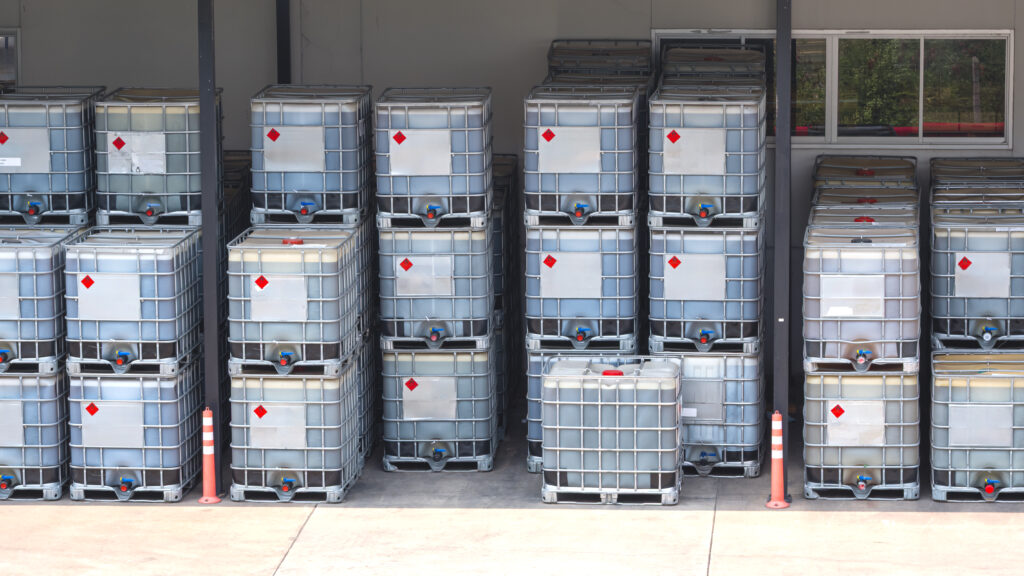
Common examples include:
- Lawn and garden equipment
- Outdoor furniture
- Barbecues and grills
- Sporting equipment
- Garbage and recycling containers
- Agricultural products
- Farm equipment
- Industrial machinery
- Chemical drums
- Automotive products
- Construction materials
- Tools
- Utility equipment
- Outdoor storage containers
The performance requirements can vary considerably among these applications.
A decorative label on an outdoor consumer product may primarily need to maintain its appearance. An industrial equipment label may need to preserve safety instructions, identification numbers, or compliance information for years.
Understanding the role of the label is an important part of choosing the right construction.
Don’t Choose an Outdoor Label Based on Appearance Alone
Appearance is still important.
Customers expect labels to represent the quality of the product, and faded or peeling labels can make otherwise durable equipment look old or poorly maintained.
However, appearance should be considered alongside performance.
An attractive label that fails after three months isn’t the right label for a product expected to spend three years outside.
The best outdoor product labels balance several characteristics, including:
- Print quality
- Branding
- Durability
- Adhesion
- UV resistance
- Moisture resistance
- Temperature resistance
- Chemical resistance
- Expected service life
The exact combination will be different for every application.
Testing Can Prevent Expensive Label Failures
Whenever possible, outdoor product labels should be tested before committing to a large production run.
Testing should recreate the product’s actual conditions as closely as practical.
That may involve evaluating:
- Adhesion to the actual product surface
- Water exposure
- Temperature changes
- UV exposure
- Chemical contact
- Abrasion
- Cleaning
- Repeated handling
Testing can be especially important when a product has an unusual surface or will be exposed to particularly harsh conditions.
Real world evaluation can help identify adhesion, fading, moisture, or durability problems before thousands of labeled products are shipped into the field.
Work With a Label Manufacturer That Understands the Application
There isn’t one universal outdoor label that is right for every product.
A garden product stored outdoors for one summer does not have the same requirements as an industrial warning label that needs to remain readable for years.
Selecting outdoor product labels should begin with understanding the entire application.
Your label manufacturer may need to know:
- What the product is
- Where it will be stored
- How long it will remain outdoors
- What surface the label will adhere to
- Temperature extremes
- UV exposure
- Moisture exposure
- Chemical exposure
- Abrasion and handling
- Required label lifespan
Providing this information makes it easier to select a face material, adhesive, ink system, and protective finish suited to the application.
The goal is not simply to produce a label that looks good on the day it is applied. The label should continue performing throughout the conditions the product is expected to encounter.
Conclusion
Outdoor environments can be extremely demanding on product labels. Sunlight, rain, humidity, temperature swings, dirt, chemicals, and abrasion can quickly reveal weaknesses in materials that weren’t designed for long term exposure.
Choosing outdoor product labels requires looking at much more than appearance. The face material, adhesive, printing method, protective finish, product surface, expected environment, and required service life all contribute to how well the finished label performs.
The right outdoor product labels can help prevent faded graphics, peeling edges, unreadable information, and premature label replacement while keeping products looking professional throughout their intended lifespan.
If you’re trying to determine which outdoor product labels are right for your application, contact us here. North American Label can help you evaluate your product, environment, and performance requirements to develop a custom labeling solution designed for the conditions your products will actually face.
Further Reading
Avery Dennison, Outdoor and Garden Label Materials
https://label.averydennison.com/content/dam/averydennison/lpm-responsive/europe/english/documents/product-overviews/product/Durable/LPM-EU%20-%20Outdoor%20and%20Garden%20Label%20Materials%20-%20Product%20Guide%20-%202020.pdf
UPM Raflatac, Durable Label Materials
https://www.upmraflatac.com/labels-by-industry/durables/
Avery Dennison Performance Polymers, Weathering and Durability
https://www.performancepolymers.averydennison.com/en/home/technologies/application-requirements/weathering-and-durability.html
UPM Raflatac, Industrial Chemical Labeling Solutions
https://www.labelmaterials.upm.com/labels-by-industry/industrial-chemical/
UPM Adhesive Materials, Film Label Materials
https://www.adhesivematerials.upm.com/label-solutions/label-types/film-label-materials/