Labels That Withstand Refrigeration: Choosing the Right Solution for Cold Storage Products
When products are stored in refrigerated environments, every part of the packaging needs to perform—including the label. Whether you’re packaging food, beverages, pharmaceuticals, floral products, or specialty chemicals, labels that withstand refrigeration play an important role in maintaining a professional appearance and ensuring important information remains intact throughout storage, shipping, and display.
Cold temperatures, moisture, and condensation can quickly expose weaknesses in poorly designed labels. Labels may peel, wrinkle, fade, or become difficult to read, creating problems for manufacturers, retailers, and customers alike. Choosing the right materials, adhesives, and printing methods helps ensure your labels continue performing from production to purchase.
In this guide, we’ll explain what makes labels that withstand refrigeration different, where they’re commonly used, and how to select the right combination of materials for your application.
Why Refrigerated Products Require Specialized Labels
Unlike products stored at room temperature, refrigerated goods experience unique environmental conditions that can impact label performance.

Some of the biggest challenges include:
- Constant exposure to cold temperatures
- High humidity inside refrigerated displays
- Condensation during transportation
- Frequent temperature fluctuations
- Moisture from handling and cleaning
- Long-term cold storage
Standard labels often aren’t designed to handle these conditions. Over time, moisture can weaken adhesives, paper materials may absorb water, and labels can begin lifting around the edges.
That’s why businesses rely on labels that withstand refrigeration to maintain both appearance and functionality.
Common Industries That Need Refrigeration-Resistant Labels
Many industries depend on durable refrigerated labels every day.
These include:
Food Manufacturers
Fresh produce
Dairy products
Prepared meals
Packaged meats
Seafood
Frozen desserts
Beverage Companies
Juices
Cold brew coffee
Milk
Kombucha
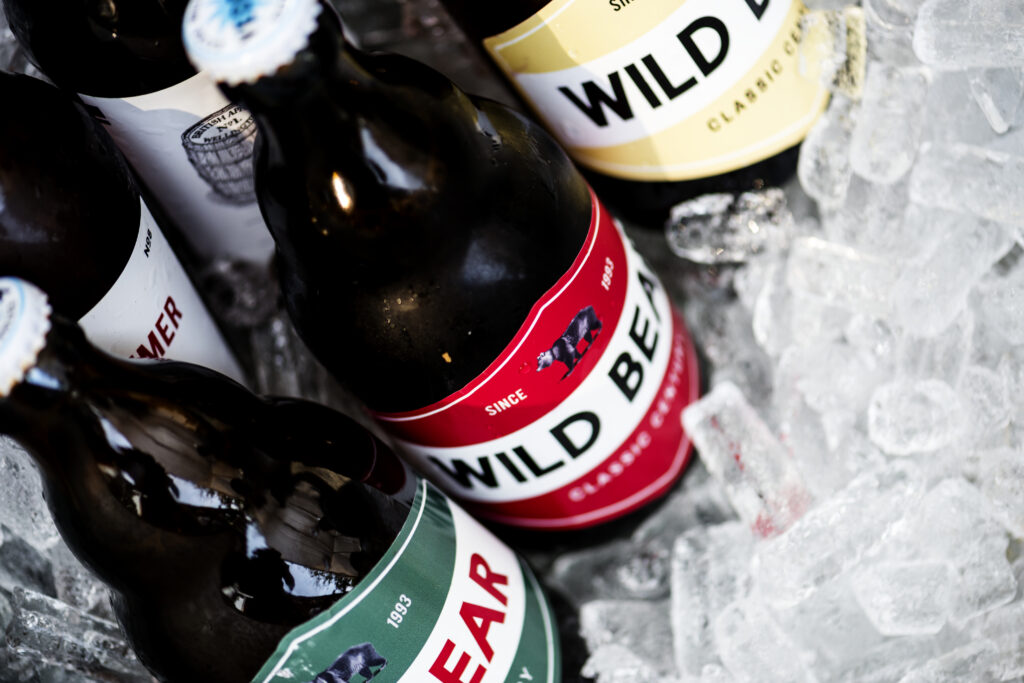
Craft beverages
Energy drinks
Pharmaceutical Companies
Vaccines
Medical samples
Temperature-sensitive medications
Laboratory specimens
Floral Industry
Fresh flowers are often stored in refrigerated environments before delivery. Labels need to remain securely attached despite moisture and cold storage.
Specialty Chemicals
Certain industrial and laboratory chemicals require refrigerated storage while maintaining clear identification labels for safety and compliance.
What Happens When Labels Fail?
A label may seem like a small component of the packaging, but failures can create significant issues.
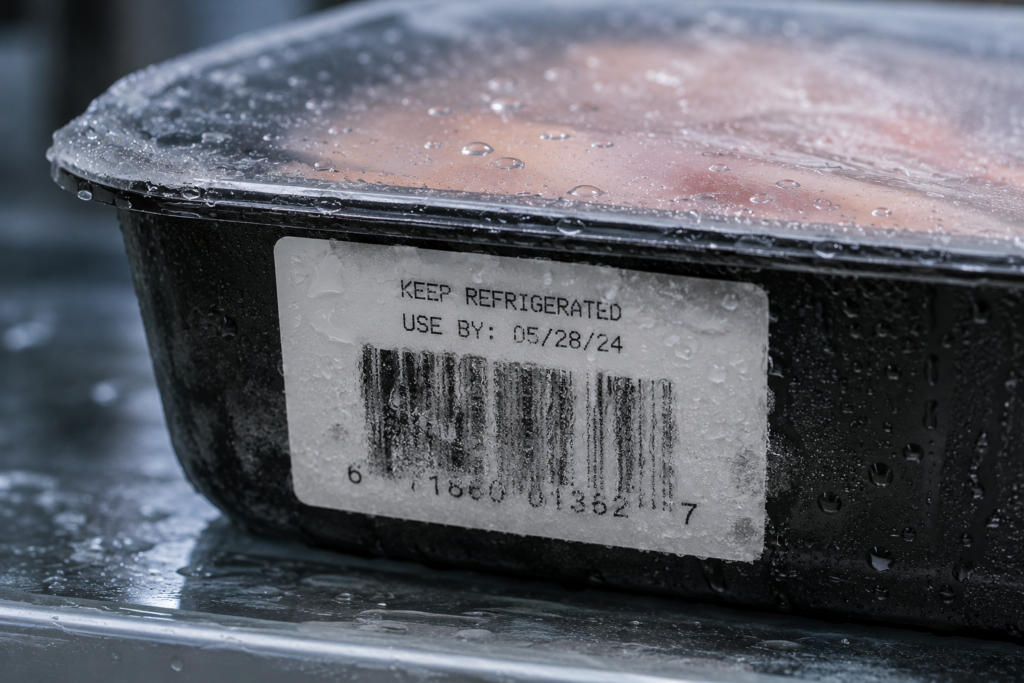
Poor-performing refrigerated labels can result in:
- Lost product identification
- Unreadable barcodes
- Damaged branding
- Inventory tracking problems
- Regulatory compliance concerns
- Increased waste
- Customer dissatisfaction
If a barcode becomes unreadable because moisture has damaged the label, it can slow inventory management and retail checkout processes.
Likewise, a peeling ingredient label can negatively affect consumer confidence in the product.
The Importance of Choosing the Right Label Material
The face material is the visible portion of the label, and selecting the proper substrate is essential for refrigerated products.
Film Labels
Film materials are often the preferred choice for refrigerated environments because they resist moisture much better than traditional paper labels.
Popular film materials include:
- White BOPP
- Clear BOPP
- Polyester
- Polyethylene
These materials resist tearing, water absorption, and shrinking while maintaining a professional appearance.
Paper Labels
Certain coated paper labels can be used successfully in refrigerated applications when paired with the appropriate adhesive.
However, paper generally performs best in environments with minimal moisture exposure.
Products exposed to heavy condensation or repeated refrigeration cycles typically benefit from film-based materials.
Adhesives Matter Just as Much as the Label Material
One of the most overlooked components of labels that withstand refrigeration is the adhesive.
Even the highest-quality label material won’t perform well if the adhesive isn’t designed for cold environments.
Cold-temperature adhesives are specifically formulated to:
- Bond securely at lower temperatures
- Resist moisture
- Prevent edge lifting
- Maintain adhesion during condensation
- Perform throughout refrigerated storage
Selecting the correct adhesive depends on factors such as:
- Application temperature
- Storage temperature
- Container material
- Surface texture
- Expected product lifespan
Different Packaging Materials Require Different Solutions
Not every container presents the same labeling challenges.
Glass Bottles
Glass often develops condensation rapidly after leaving refrigerated storage.
Labels need strong moisture resistance to remain firmly attached.
Plastic Containers
Plastic surfaces vary considerably.
Some plastics have lower surface energy, making adhesive selection especially important.
Metal Containers
Cold aluminum cans and metal containers frequently experience condensation, requiring labels designed to resist moisture while maintaining strong adhesion.
Flexible Packaging
Pouches and flexible bags require labels capable of conforming to movement without wrinkling or lifting.
Condensation Is Often the Biggest Challenge
Many people assume cold temperatures are the primary concern.
In reality, condensation causes many label failures.
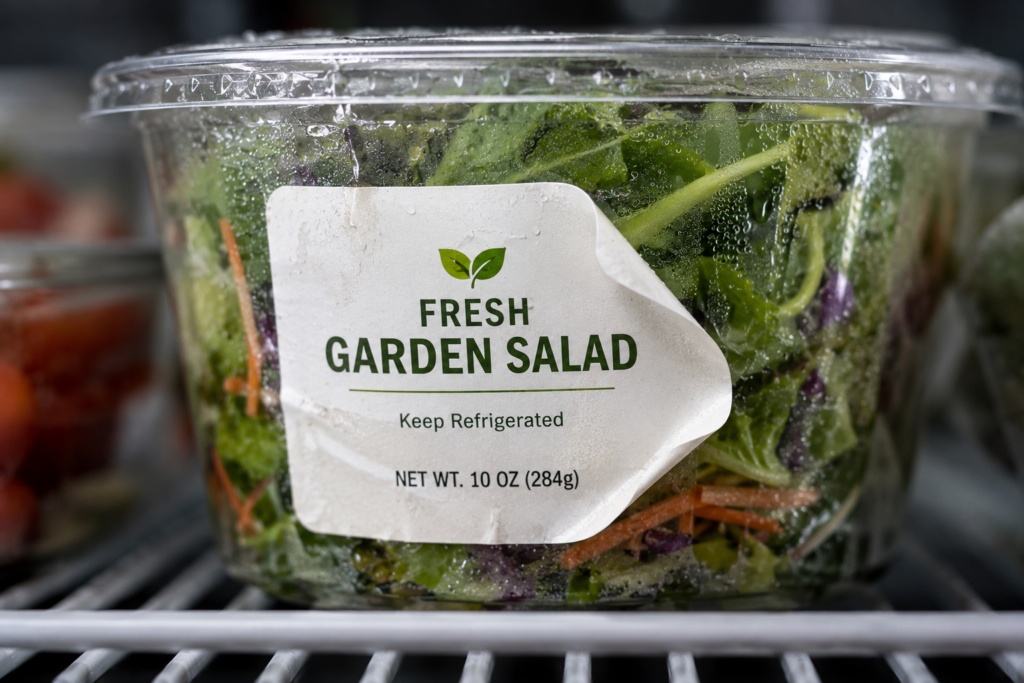
When refrigerated products move into warmer environments, moisture forms quickly on the package surface.
Without the proper adhesive and face material, labels may:
- Bubble
- Curl
- Lift
- Wrinkle
- Separate from the container
High-quality labels that withstand refrigeration are engineered specifically to handle these moisture-related challenges.
Printing Quality Still Matters
Durability isn’t only about staying attached.
The printed graphics must remain sharp and readable throughout the product’s life.
High-quality printing helps ensure:
- Logos remain vibrant
- Product information stays readable
- Barcodes continue scanning
- Lot numbers remain legible
- Regulatory information stays intact
Modern digital and flexographic printing technologies both produce durable labels when paired with the proper inks and protective finishes.
Protective Finishes Improve Performance
Additional protective coatings can increase label longevity in refrigerated environments.
Common options include:
Lamination
A laminate protects against:
- Moisture
- Scuffing
- Abrasion
- Cleaning chemicals
UV Coatings
UV coatings add durability while enhancing appearance with either matte or gloss finishes.
The best option depends on the product, storage conditions, and desired visual appeal.
Factors to Consider Before Ordering Refrigerated Labels
Every product is different.
Before ordering labels, it’s helpful to consider:
- Minimum storage temperature
- Maximum storage temperature
- Length of refrigerated storage
- Exposure to water
- Type of packaging material
- Indoor or outdoor storage
- Hand application or automatic application
- Desired finish
- Branding requirements
- Regulatory labeling needs
Providing these details allows your label manufacturer to recommend the most appropriate material and adhesive combination.
Custom Labels Deliver Better Long-Term Performance
Off-the-shelf labels may work for temporary applications, but businesses that rely on refrigerated storage benefit from custom label solutions.
Custom labels are designed around your specific:
- Product
- Packaging
- Environment
- Application method
- Branding
- Performance expectations
Rather than using a one-size-fits-all solution, custom labels help reduce failures while improving the appearance and reliability of your packaging.
Why Working with an Experienced Label Manufacturer Matters
Choosing labels isn’t simply selecting a material from a catalog.
Experienced label manufacturers understand how temperature, humidity, adhesives, substrates, printing methods, and finishing options all work together.
A knowledgeable partner can recommend solutions that help avoid costly issues before products reach retailers or customers.
Whether your products spend days or months in refrigerated environments, investing in the proper labeling solution helps protect your brand and maintain product quality.
Conclusion
Products stored in refrigerated environments face unique challenges that standard labels often aren’t designed to handle. Moisture, condensation, and cold temperatures can all contribute to peeling, bubbling, fading, and other issues that impact both appearance and functionality.
Choosing labels that withstand refrigeration means selecting the right combination of materials, adhesives, printing methods, and protective finishes for your specific application. The right label not only stays securely attached but also preserves your branding, ensures barcodes remain scannable, and keeps important product information clear from production through the point of sale.
If your products require dependable performance in refrigerated conditions, working with an experienced label manufacturer can help you find a solution tailored to your packaging and storage environment.
If you’re looking for custom labels that withstand refrigeration, contact us here. Our team can help you choose materials and adhesives designed to keep your labels performing reliably, even in demanding cold-storage conditions.
Further Reading
- U.S. Food & Drug Administration – Food Labeling Guide: https://www.fda.gov/food/food-labeling-nutrition/food-labeling-guide
- FINAT – Label Industry Resources: https://www.finat.com
- TLMI (Tag and Label Manufacturers Institute): https://tlmi.com
- Packaging World – Labeling & Decorating: https://www.packworld.com/labeling
- Avery Dennison Label Materials: https://label.averydennison.com