Whether your product sits on a retail shelf, ships directly to customers, or is displayed in an online marketplace, your label is often the first interaction a potential customer has with your brand. It serves as more than just a way to identify what’s inside the package. A well-designed label communicates quality, builds trust, reinforces your brand identity, and helps customers make purchasing decisions.
So, what makes a great product label? The answer goes beyond attractive graphics. A successful product label combines thoughtful design, durable materials, clear communication, and practical functionality to create a positive customer experience from the moment someone sees the product.
In this guide, we’ll explore the essential elements that contribute to an effective product label and why each one matters.
First Impressions Matter
Consumers make purchasing decisions quickly. In crowded retail environments, products often have only a few seconds to capture attention.
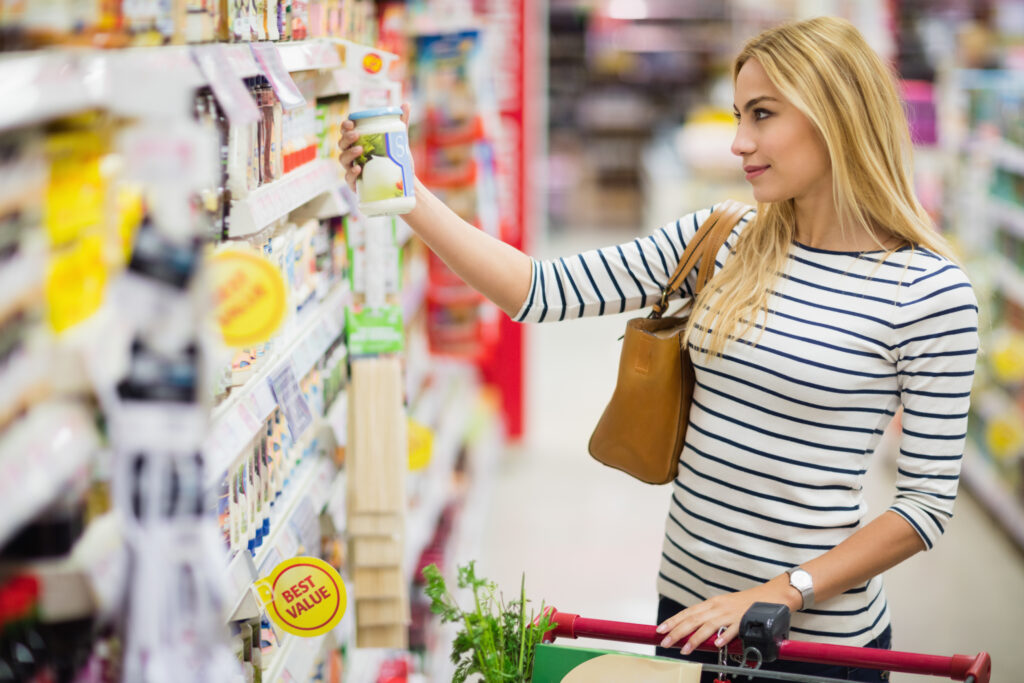
An effective label immediately answers several questions:
- What is the product?
- Who makes it?
- Why should someone choose it?
- Is it the type of product they’re looking for?
This is one of the biggest reasons businesses ask what makes a great product label. The answer starts with creating an excellent first impression that encourages customers to take a closer look.
Strong Branding
Brand recognition is one of the most valuable assets any business can build.
Your label should consistently reflect your brand through:
- Logo placement
- Brand colors
- Typography
- Overall design style
- Messaging
Customers should recognize your products across multiple product lines.
Consistent branding also builds trust. When customers have a positive experience with one product, recognizable branding makes it easier for them to purchase other products from the same company.
Clear Product Identification
A customer should never have to guess what your product is.
The product name should be easy to locate and easy to read. Supporting information should explain exactly what the product does or what makes it unique.
For example, instead of only listing a product name, a label might also communicate:
- Organic ingredients
- Waterproof formula
- Sugar-free recipe
- Long-lasting performance
- Eco-friendly materials
Clear messaging helps consumers make faster buying decisions.
Readable Typography
One of the most overlooked aspects of what makes a great product label is typography.
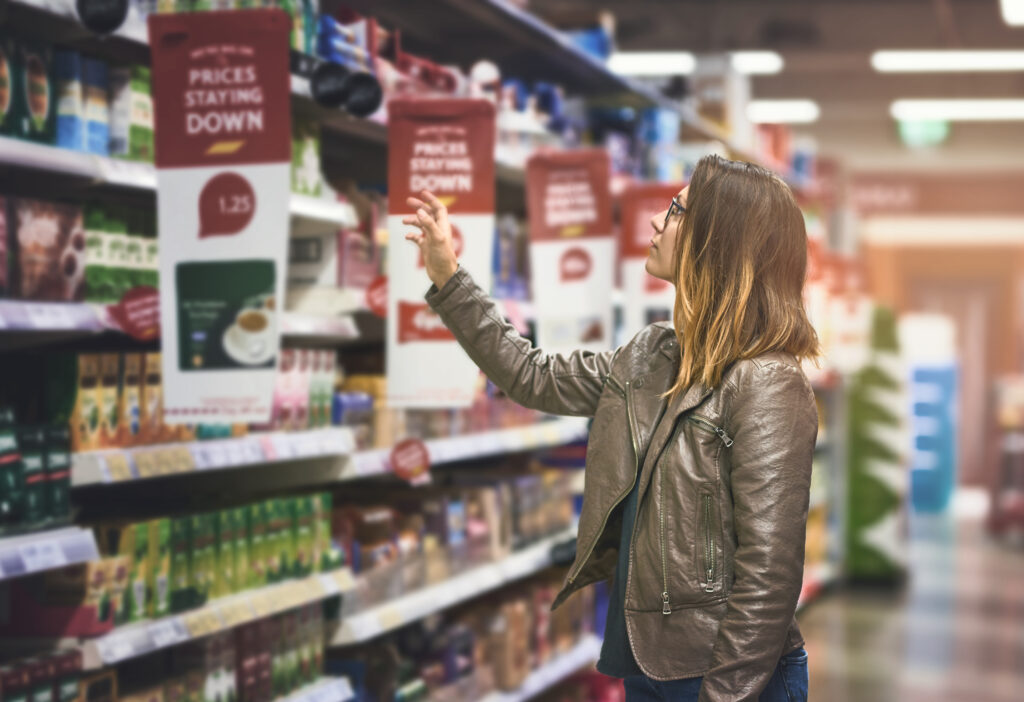
Fancy fonts may look appealing, but readability should always come first.
Good typography includes:
- Appropriate font sizes
- Strong contrast
- Limited font families
- Logical spacing
- Consistent formatting
Customers shouldn’t struggle to read product information, especially important details like instructions, ingredients, or warnings.
Effective Use of Color
Color plays an important role in how customers perceive products.
Different colors communicate different emotions and expectations.
Examples include:
- Green often represents natural or eco-friendly products.
- Blue suggests trust and reliability.
- Black conveys luxury.
- Red creates energy and urgency.
- White communicates cleanliness and simplicity.
Color should support your brand while helping your product stand out among competitors.
High-Quality Graphics
Professional imagery helps communicate product quality.
Whether your label includes photography, illustrations, or icons, graphics should be:
- High resolution
- Professionally designed
- Relevant to the product
- Consistent with your branding
Low-quality artwork can negatively affect how customers perceive the entire product.
Information Hierarchy
Customers don’t read labels from top to bottom like a book.
Instead, they scan.
An effective information hierarchy helps guide their eyes naturally.
Typically, labels should prioritize:
- Brand name
- Product name
- Key benefit
- Supporting features
- Required product information
This structure makes the label easier to understand within seconds.
Choosing the Right Label Material
Design is only part of the equation.
Another important factor in what makes a great product label is selecting the right material.
Different products require different label materials depending on their environment.
Paper labels may work well for dry indoor products.
BOPP labels are ideal for moisture, refrigeration, and oils.
Polyester labels offer excellent durability for industrial applications.
Vinyl labels perform well outdoors.
Choosing the wrong material can lead to peeling, fading, or damaged labels, regardless of how attractive the design may be.
Durable Adhesives
The best label design means little if the label won’t stay attached.
Choosing the correct adhesive depends on:
- Product surface
- Temperature
- Moisture
- Storage conditions
- Application method
Permanent adhesives work well for long-term applications.
Removable adhesives are better suited for temporary labeling.
The adhesive should perform reliably throughout the product’s entire lifecycle.
Compliance Matters
Many industries require specific information to appear on product labels.
Depending on the product, this may include:
- Ingredients
- Nutrition facts
- Warning statements
- Barcodes
- Lot numbers
- Expiration dates
- Manufacturer information
Understanding applicable regulations early in the design process helps avoid costly redesigns and delays.
Simplicity Often Wins
A common misconception is that adding more graphics, colors, and text automatically creates a better label.
In reality, simple designs often perform better.
Clean layouts make it easier for customers to find important information and appreciate the overall appearance of the product.
Whitespace should be viewed as a design element rather than empty space.
Shelf Appeal
Retail shelves are crowded.
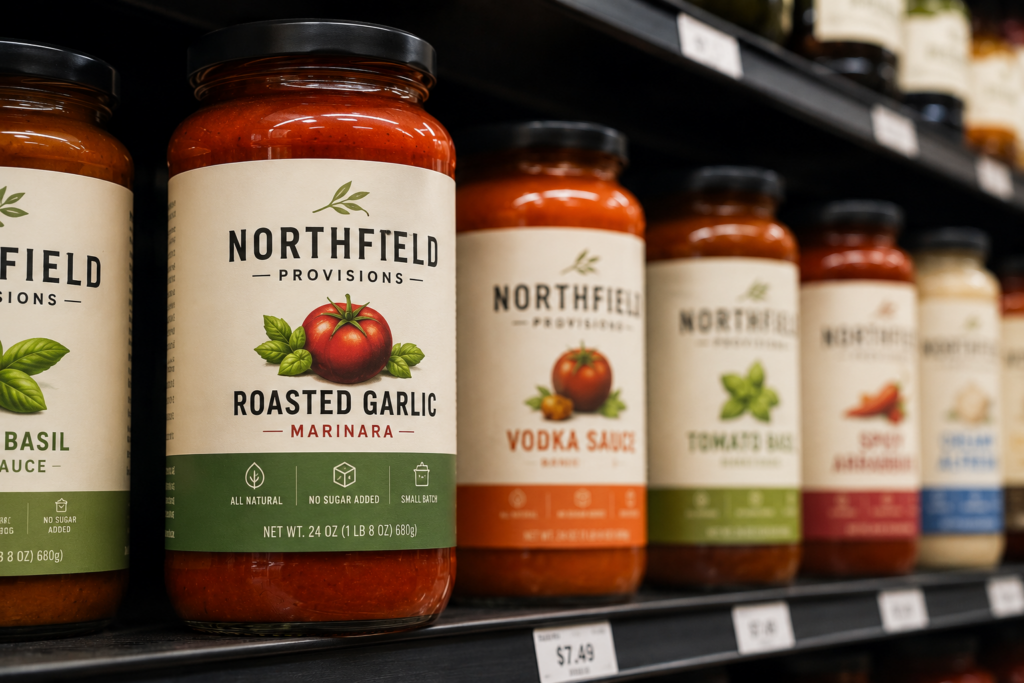
A great label helps products stand out without overwhelming customers.
Consider:
- Color contrast
- Visual balance
- Packaging shape
- Distance visibility
- Competitive products
Testing labels on a mock retail shelf can provide valuable insights before production.
Digital Presentation
Today’s products are sold both in stores and online.
Your label should perform well in:
- Product photos
- Online marketplaces
- Mobile shopping
- Social media advertising
Small thumbnail images require labels that communicate key information quickly.
This is becoming an increasingly important part of what makes a great product label.
Consistency Across Product Lines
Many businesses eventually expand their product offerings.
Maintaining consistent branding across multiple products helps customers recognize your brand while allowing individual products to stand apart.
Consistency includes:
- Logo placement
- Typography
- Layout structure
- Color palette
- Graphic style
A cohesive product family creates a more professional appearance.
Testing Before Production
Before printing thousands of labels, testing is highly recommended.
Consider evaluating:
- Readability
- Shelf visibility
- Customer feedback
- Color accuracy
- Material durability
- Adhesive performance
Even small adjustments can significantly improve customer perception.
Partnering with an Experienced Label Manufacturer
Designing an effective label requires expertise in more than just graphic design.
Experienced label manufacturers can provide valuable guidance regarding:
- Material selection
- Printing methods
- Adhesive options
- Regulatory requirements
- Finishing techniques
- Production efficiency
Working with a knowledgeable partner helps ensure your labels perform as expected throughout the life of your product.
Conclusion
Understanding what makes a great product label involves balancing aesthetics, functionality, durability, and clear communication. A successful label captures attention, reflects your brand, provides essential information, and performs reliably in the environments where your products are sold and used.
Every detail from typography and colors to material selection and adhesive choice, contributes to how customers perceive your product. Investing in a thoughtful label design can strengthen your brand, improve customer confidence, and help your products stand out in competitive markets.
If you’re developing a new product or updating your existing packaging, contact us here to discuss your labeling needs. Our team can help you choose the right materials, printing methods, and design solutions to create labels that look great and perform exceptionally well.
Further Reading
- https://www.avery.com/blog/product-label-design-tips/
- https://www.packagingdigest.com/branding-packaging-design
- https://www.worldlabel.com/Pages/label-design-tips.htm
- https://www.labelvalue.com/blog/product-label-design-tips
- https://www.packagingstrategies.com