Your product label is often the first thing a customer notices. In many cases, consumers make purchasing decisions within seconds of seeing a product on a shelf or online. While businesses invest significant time and resources into developing quality products, many overlook the importance of label design. Unfortunately, even small label design mistakes can negatively impact customer perception, reduce sales, and weaken brand recognition.
A product label serves multiple purposes. It communicates essential information, reinforces your brand identity, differentiates your product from competitors, and helps consumers make purchasing decisions. When labels fail to accomplish these goals, the results can be costly.
Understanding common label design mistakes can help businesses create packaging that not only looks professional but also drives customer engagement and sales. Let’s explore some of the most common mistakes and how to avoid them.
Ignoring Your Target Audience
One of the biggest label design mistakes is creating a label based solely on personal preferences rather than the needs and expectations of your target audience.
A label designed for a luxury skincare product will look very different from a label intended for industrial cleaning chemicals. Customers expect certain visual cues based on the type of product they are purchasing. Colors, fonts, imagery, and overall design should align with your audience’s expectations.
Before designing a label, consider:
- Who is the intended customer?
- What values matter to them?
- What products are they comparing yours against?
- What visual elements appeal to that market?
Failing to answer these questions can result in a label that feels disconnected from the customer and fails to capture attention.
Overcrowding the Label
Many businesses try to fit too much information into a limited space. While it is important to include required information, cramming excessive text, graphics, logos, and design elements onto a label often creates confusion.
One of the most common label design mistakes is sacrificing readability for the sake of including more information.
When a label appears cluttered:
- Customers struggle to find key information.
- Important selling points get lost.
- The design looks unprofessional.
- The product may appear lower quality.
Effective labels prioritize information hierarchy. Important details such as product name, benefits, and branding should stand out immediately. Secondary information can be organized in a way that supports the overall design without overwhelming the viewer.
Using Hard-to-Read Fonts
Typography plays a major role in label effectiveness. While decorative fonts may seem attractive, they often create readability issues.

Consumers should be able to quickly understand:
- Product name
- Brand name
- Product benefits
- Required information
Choosing fonts that are difficult to read is one of the most damaging label design mistakes because it directly interferes with communication.
To improve readability:
- Use clean, professional fonts.
- Limit the number of font styles.
- Maintain adequate spacing.
- Ensure sufficient contrast between text and background colors.
A label can be visually appealing without sacrificing clarity.
Poor Color Choices
Color influences how customers perceive products and brands. Colors can communicate trust, luxury, energy, sustainability, or quality.
However, poor color selection remains one of the most common label design mistakes.
Examples include:
- Low contrast between text and background
- Colors that clash
- Colors that fail to align with the product category
- Overly bright or distracting combinations
For example, natural and organic products often utilize earthy tones, while premium products frequently use darker colors paired with metallic accents.
Color choices should reinforce the brand message while maintaining readability and shelf appeal.
Failing to Establish Visual Hierarchy
Not all information on a label carries equal importance.
When every element competes for attention, customers struggle to identify key details. Effective labels guide the viewer’s eye through a clear sequence of information.
A proper visual hierarchy typically prioritizes:
- Brand name
- Product name
- Key benefits
- Supporting information
- Regulatory details
One of the more subtle label design mistakes is treating all information equally, resulting in a label that lacks focus and direction.
Inconsistent Branding
Consistency builds trust. When customers recognize your brand across multiple products, they are more likely to become repeat buyers.

Unfortunately, inconsistent branding is one of the label design mistakes that can weaken customer recognition.
Inconsistent branding may include:
- Different logo styles
- Varying color schemes
- Inconsistent typography
- Mixed visual themes
A strong brand identity should remain consistent across product lines while allowing enough flexibility to distinguish individual products.
Customers should be able to identify your brand immediately, regardless of which product they encounter.
Ignoring Shelf Impact
Many labels look impressive on a computer screen but fail to stand out in a real retail environment.
One of the most costly label design mistakes is failing to consider shelf impact.
When displayed alongside competitors, your label needs to attract attention quickly.
Consider:
- How the label appears from a distance
- Whether the product stands out among competing products
- Visibility under different lighting conditions
- Overall shelf presence
Testing labels in realistic retail settings can reveal issues that are not obvious during the design process.
Using Low-Quality Images or Graphics
Images and graphics contribute significantly to perceived product quality.
Blurry images, pixelated graphics, or poorly designed illustrations can make even high-quality products appear cheap.
Among common label design mistakes, using low-resolution artwork is entirely avoidable.
Professional-quality graphics help:
- Reinforce brand credibility
- Enhance visual appeal
- Improve customer confidence
- Support premium pricing
Investing in high-quality design assets often pays for itself through stronger customer perception.
Neglecting Regulatory Requirements
Depending on the product category, labels may be required to include specific information.
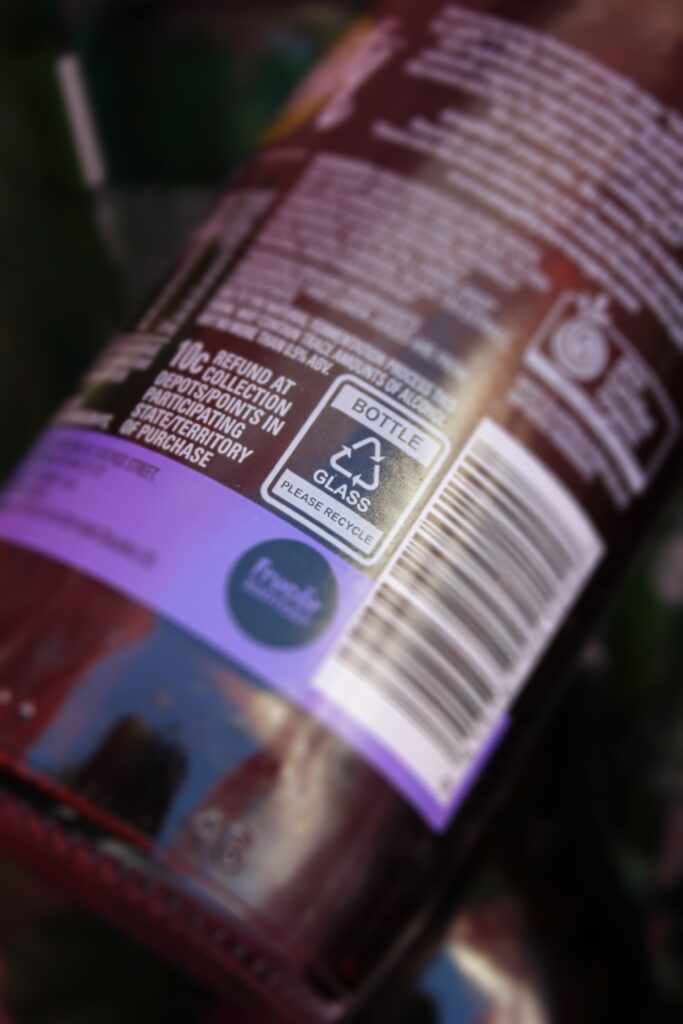
Food products, cosmetics, supplements, chemicals, and industrial products often have strict labeling requirements.
One of the most serious label design mistakes is failing to account for compliance requirements early in the design process.
Potential consequences include:
- Product recalls
- Regulatory penalties
- Delayed product launches
- Customer confusion
Working with experienced label professionals can help ensure compliance while maintaining an attractive design.
Choosing the Wrong Label Material
Even the best design can fail if it is printed on the wrong material.
Many businesses focus exclusively on graphics while overlooking material performance.
Common issues include:
- Labels peeling in refrigerated environments
- Moisture damage
- Fading from UV exposure
- Adhesive failure
While not always considered a design issue, selecting the wrong material often contributes to label design mistakes that impact customer experience.
Design and functionality should work together to support product performance.
Forgetting About Online Sales
As eCommerce continues to grow, labels must perform well both on physical shelves and in digital environments.
Products displayed online often appear as small thumbnails. If the label cannot communicate key information quickly, potential buyers may move on.
Modern label design mistakes frequently involve focusing solely on retail environments while ignoring digital presentation.
Consider how your label appears:
- On mobile devices
- In online marketplaces
- On social media
- In product advertisements
Simple, clear designs often perform better in both physical and digital settings.
Skipping Consumer Testing
Businesses sometimes assume they know exactly how customers will respond to a label design. However, consumer preferences can be difficult to predict.
One of the most overlooked label design mistakes is launching a new label without testing it first.
Simple testing methods may include:
- Customer surveys
- Focus groups
- A/B testing
- Retail mockups
Gathering feedback before production can identify potential issues and improve overall effectiveness.
Prioritizing Trends Over Longevity
Design trends come and go. While it can be beneficial to stay current, chasing every trend often results in labels that quickly become outdated.
Some of the most successful brands use timeless design principles that remain effective for years.
Avoiding trend-driven label design mistakes helps maintain consistency and reduces the need for frequent redesigns.
A strong label should balance modern appeal with long-term usability.
Conclusion
Your product label is far more than a decorative element. It serves as a powerful marketing tool that influences purchasing decisions, communicates brand value, and helps products stand out in competitive markets. Avoiding common label design mistakes can improve customer perception, strengthen brand recognition, and ultimately increase sales.
Whether you’re launching a new product or refreshing existing packaging, taking the time to evaluate your design strategy can make a significant difference. From choosing the right materials and colors to ensuring readability and compliance, every detail matters.
If you’re looking to improve your packaging and avoid costly label design mistakes, contact us here to discuss your project. Our team can help you create labels that not only look great but also support your branding and business goals.