When it comes to choosing the right label for your product, one of the most common decisions businesses face is paper vs BOPP labels. While both options are widely used across industries, they serve very different purposes depending on your product, environment, and branding goals.
Understanding the differences between paper vs BOPP labels can help you avoid costly mistakes, improve product presentation, and ensure your labels perform as expected. In this guide, we’ll break down the pros and cons of each material, when to use them, and how to determine which one is best for your specific application.
What Are Paper Labels?
Paper labels are exactly what they sound like—labels made from paper materials. They are one of the most traditional and widely used label types, especially for products that don’t require high durability.
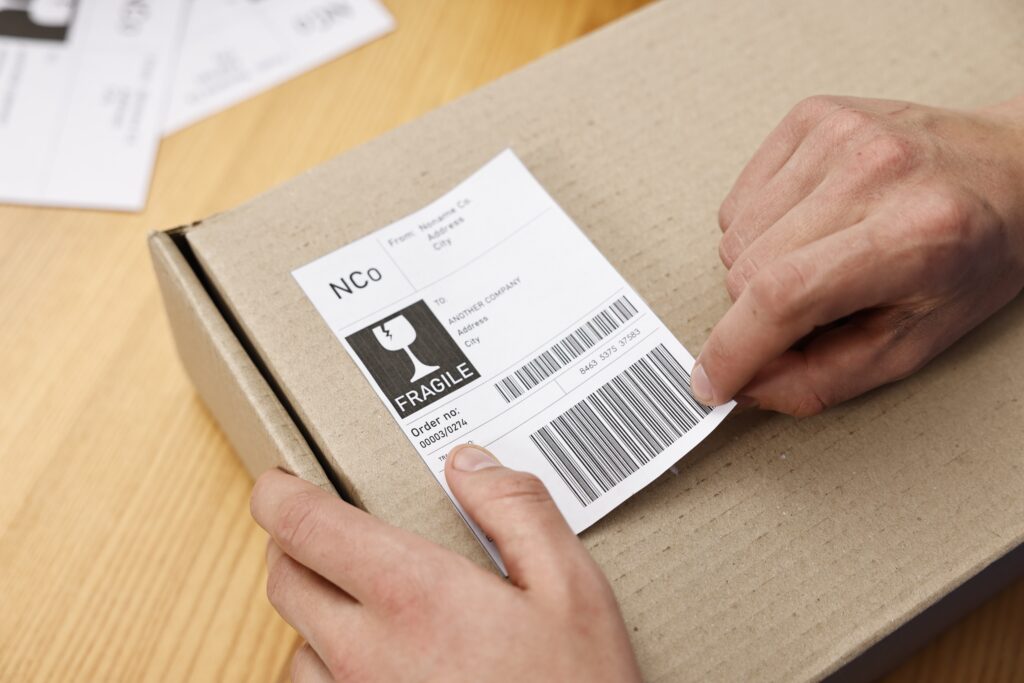
Paper labels are commonly used for:
- Food packaging (dry goods)
- Shipping labels
- Retail products
- Temporary labeling
They are popular because they are cost-effective and easy to print, making them a go-to option for many businesses.
Pros of Paper Labels
When evaluating paper vs BOPP labels, paper labels offer several advantages.
Cost-Effective
Paper labels are typically less expensive than BOPP labels, making them ideal for businesses looking to minimize costs, especially in high-volume production.
Easy to Print
They work well with a wide range of printing methods, including digital and flexographic printing, making them highly versatile.
Eco-Friendly Options
Many paper labels are recyclable and can be made from sustainable materials, which is appealing to environmentally conscious brands.
Great for Indoor Use
If your product is stored in a controlled environment, paper labels perform well without the need for added durability.
Cons of Paper Labels
Despite their benefits, paper labels have limitations that are important to consider in the paper vs BOPP labels comparison.
Not Water-Resistant
Paper labels can easily absorb moisture, leading to smudging, peeling, or complete label failure.
Lower Durability
They are more prone to tearing, scratching, and general wear and tear compared to BOPP labels.
Limited Longevity
Paper labels are not ideal for products that need to last a long time, especially in challenging environments.
What Are BOPP Labels?
BOPP stands for biaxially oriented polypropylene, a type of plastic film known for its durability and flexibility. BOPP labels are designed to withstand more demanding conditions than paper labels.
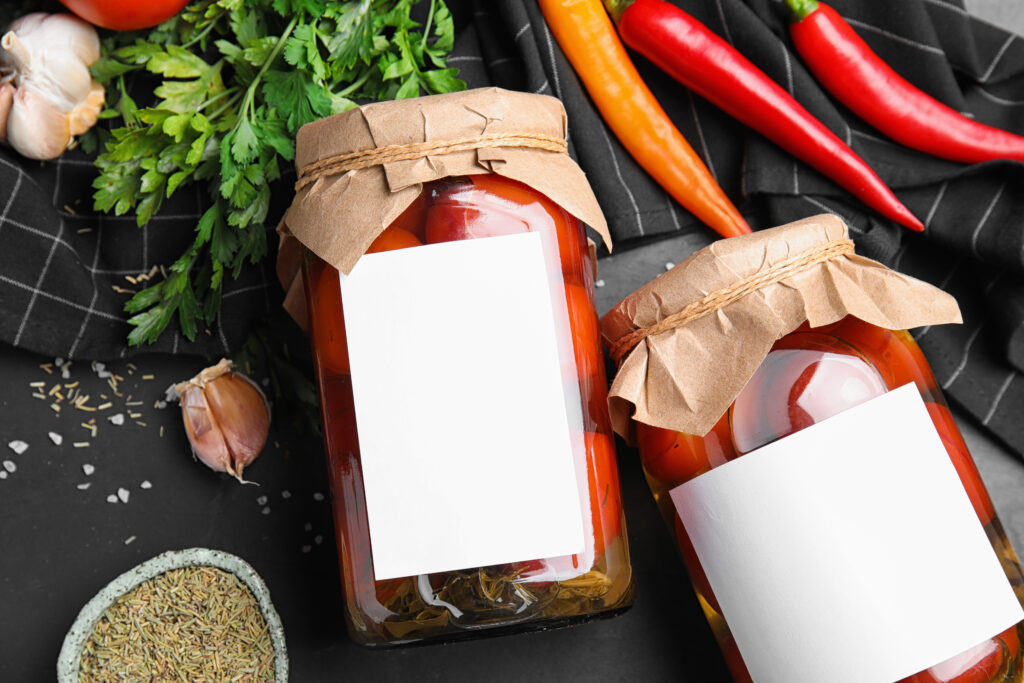
They are commonly used for:
- Beverage bottles
- Personal care products
- Food packaging exposed to moisture
- Outdoor products
BOPP labels are often chosen when durability and resistance are critical.
Pros of BOPP Labels
In the discussion of paper vs BOPP labels, BOPP stands out for its strength and performance.
Water and Moisture Resistant
BOPP labels are highly resistant to water, making them ideal for refrigerated or wet environments.
Durable and Long-Lasting
They resist tearing, scratching, and fading, ensuring your label maintains its appearance over time.
Chemical and Oil Resistant
BOPP labels hold up well when exposed to oils, chemicals, and other substances that would damage paper labels.
Premium Appearance
They offer a smooth, high-quality finish that enhances product branding, especially for consumer-facing goods.
Cons of BOPP Labels
While BOPP labels offer many advantages, they do come with some drawbacks.
Higher Cost
BOPP labels are generally more expensive than paper labels, which can impact budgets for large-scale production.
Less Eco-Friendly
Because they are made from plastic, BOPP labels are not as environmentally friendly as paper options, although recyclable versions are becoming more available.
May Require Specialized Printing
Some printing processes may need adjustments or specific equipment when working with BOPP materials.
Paper vs BOPP Labels: Key Differences
When comparing paper vs BOPP labels, the decision often comes down to your product’s environment and lifecycle.
Durability
BOPP labels are significantly more durable than paper labels, making them the better choice for products exposed to moisture, handling, or outdoor conditions.
Cost
Paper labels are more budget-friendly, which is ideal for short-term or high-volume applications.
Appearance
Both can look great, but BOPP labels often provide a more polished and professional finish.
Environmental Impact
Paper labels tend to be more sustainable, especially when sourced responsibly.
When to Choose Paper Labels
Paper labels are the better option when:
- Your product is used indoors
- Exposure to moisture is minimal
- Cost is a primary concern
- You need a recyclable or eco-friendly solution
Examples include dry food packaging, retail tags, and shipping labels.
When to Choose BOPP Labels
BOPP labels are the right choice when:
- Your product is exposed to water or humidity
- Durability is critical
- You want a premium, long-lasting appearance
- The product will be handled frequently
Common applications include beverages, cosmetics, and household products.
How to Decide Between Paper vs BOPP Labels
Choosing between paper vs BOPP labels ultimately depends on how your product will be used.
Ask yourself:
- Will the label be exposed to moisture?
- Does the product require long-term durability?
- What is my budget for labeling?
- How important is the visual appearance?
If your product needs to withstand tough conditions, BOPP labels are worth the investment. If your needs are simpler and cost-driven, paper labels may be the better fit.
Final Thoughts
The decision between paper vs BOPP labels is not about which material is better overall—it’s about which one is better for your specific application. Each option has its strengths and limitations, and understanding these differences can help you make a more informed choice.
If you’re unsure which material is right for your product, working with a labeling expert can help you evaluate your needs and find the best solution. Whether you prioritize cost, durability, or appearance, the right label can make a significant impact on your product’s success.
If you’re ready to take the next step or need guidance choosing between paper vs BOPP labels, contact us here to discuss your project and find the right solution for your application.