When it comes to food & beverage packaging, labels do much more than display a brand name. They communicate ingredients, nutritional information, safety warnings, expiration dates, and regulatory compliance details. At the same time, they must withstand moisture, temperature changes, handling, and transportation without fading, peeling, or smudging.
Choosing the right labels for food & beverage packaging requires balancing durability, compliance, design, and cost. In this guide, we’ll explore the best label materials, adhesives, finishes, and printing methods to ensure your product stands out while meeting industry standards.
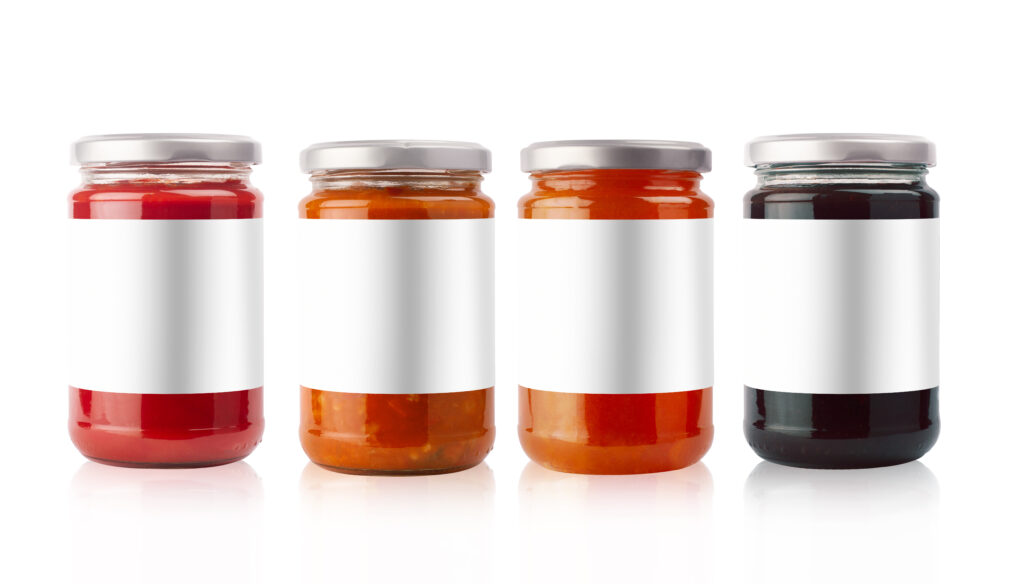
Labels play a critical role in food & beverage packaging for several reasons:
In highly competitive grocery and retail environments, your label can be the deciding factor between a customer choosing your product or a competitor’s.
Food & beverage packaging environments are demanding. Labels may be exposed to:
Because of these conditions, selecting the wrong material can result in peeling, bubbling, ink smearing, or fading — all of which damage your brand image.
BOPP is one of the most popular materials for food & beverage packaging. It is water-resistant, oil-resistant, and highly durable. BOPP performs exceptionally well in refrigerated and frozen environments.
Advantages:
Best for:
PET film is stronger and more heat-resistant than BOPP. It offers superior durability and chemical resistance.
Advantages:
Best for:
Paper labels are commonly used in food & beverage packaging for dry goods and premium branding applications. When paired with lamination or varnish, they can offer moderate moisture resistance.
Advantages:
Best for:
Clear labels create a “no-label look,” allowing packaging to show through for a clean, modern appearance.
Advantages:
Best for:
The adhesive is just as important as the label material.
Permanent adhesives are ideal for most food & beverage packaging applications. They ensure the label stays in place throughout refrigeration, freezing, and handling.
Used when labels need to be removed cleanly, such as promotional or seasonal packaging.
Specifically designed for frozen products, these adhesives prevent lifting or curling in sub-zero temperatures.
Selecting the correct adhesive ensures compliance, longevity, and product integrity.
Food & beverage packaging must comply with labeling regulations enforced by agencies such as the U.S. Food and Drug Administration (FDA). Labels must include:
Barcodes must meet scanning standards for retail environments, and print clarity must remain intact throughout the product’s shelf life.
Failure to meet regulatory requirements can result in recalls, fines, or reputational damage.
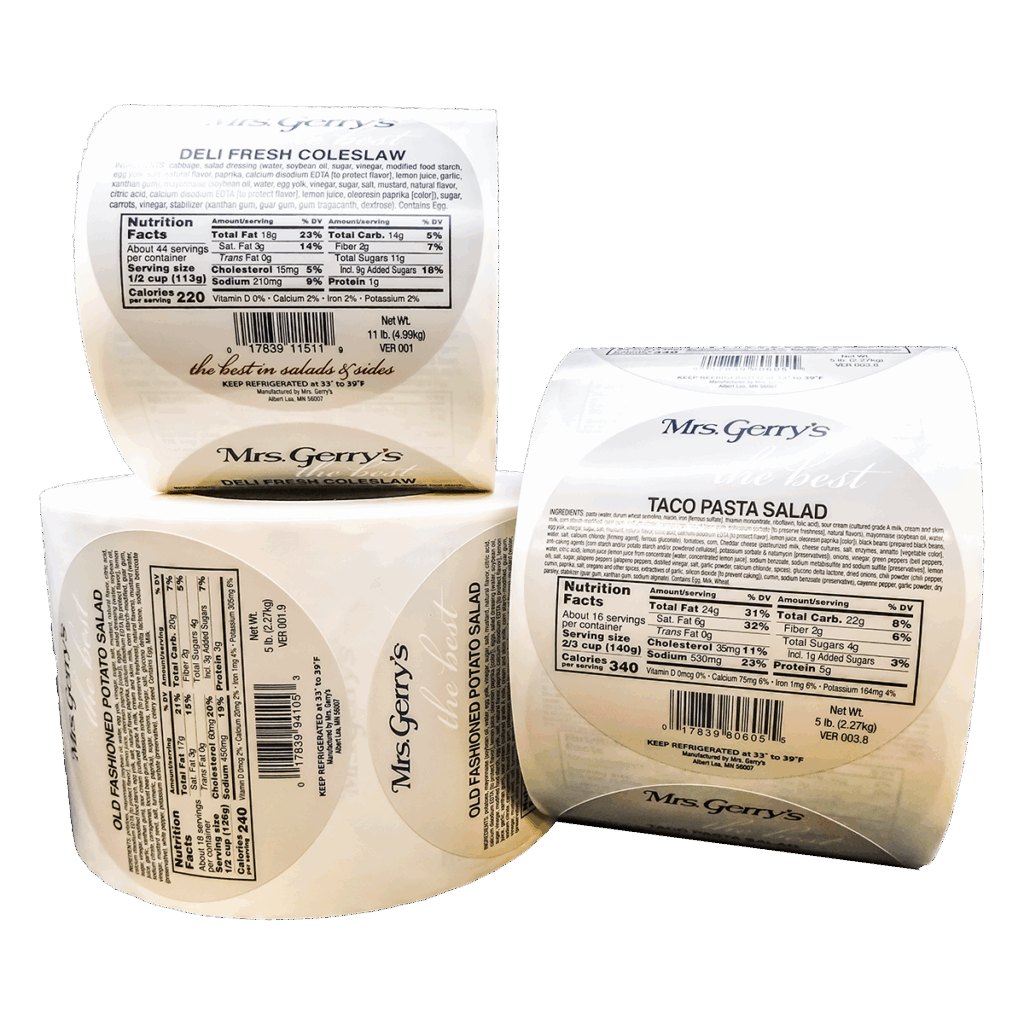
Beyond durability and compliance, visual appeal is crucial. Effective label design includes:
Finishes such as matte, gloss, or soft-touch lamination can enhance the look and feel of food & beverage packaging while adding protection.
Embossing, metallic foils, or spot UV coatings can elevate premium products and attract attention in crowded retail environments.
Sustainable packaging continues to grow in importance. Many brands are seeking recyclable or biodegradable label materials.
Options include:
Sustainability not only appeals to environmentally conscious consumers but also aligns with evolving retail and regulatory expectations.
The printing method impacts quality, cost, and turnaround time.
Choosing the right printing process ensures your food & beverage packaging maintains consistent quality while staying within budget.
Testing label samples in the actual packaging environment can prevent costly production issues.
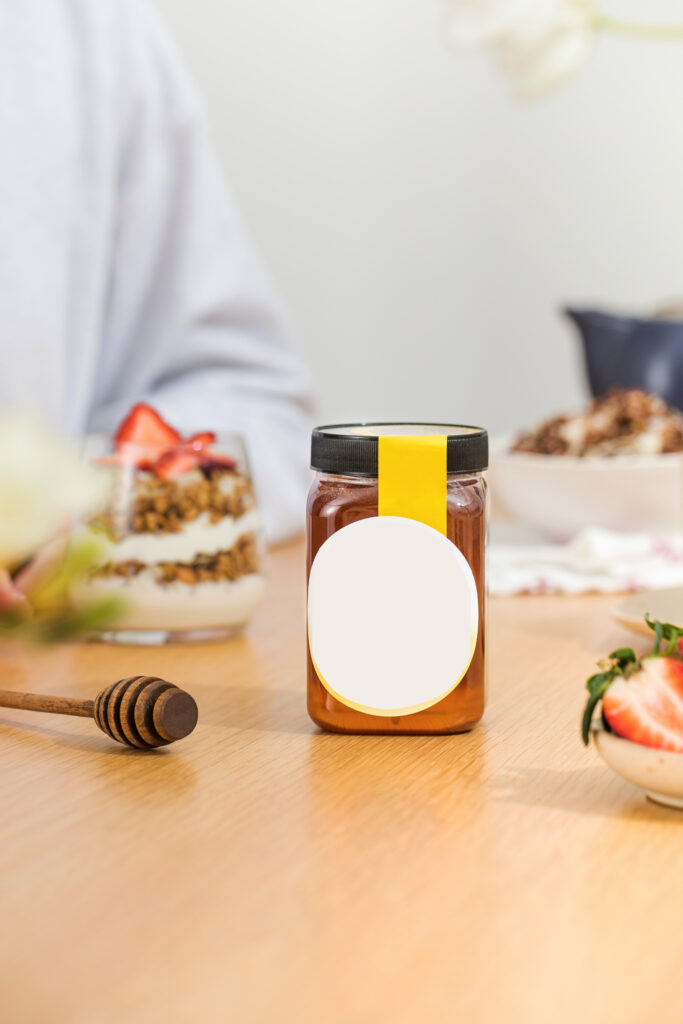
To choose the best labels for food & beverage packaging:
By carefully considering these factors, you ensure your food & beverage packaging performs reliably while enhancing shelf appeal.
The right labels for food & beverage packaging protect your product, ensure compliance, and strengthen your brand presence. From BOPP films for refrigerated beverages to coated paper for artisan dry goods, selecting the proper material and adhesive makes all the difference.
Do you have questions, need a quote, or are looking for design services? Contact us here.