Choosing the right label material for your product is one of the most critical decisions in packaging. The label not only communicates your brand but also protects your product and ensures it meets regulatory and industry standards. With so many materials, finishes, and printing processes available, understanding how to select the right label material can save time, money, and headaches down the line.
In this guide, we will explore the main factors to consider when choosing a label material, including product type, environmental conditions, and design goals. By the end, you will have a clear roadmap to select a label material that enhances both the functionality and aesthetics of your product.
Label materials come in a variety of forms, each with unique properties. Choosing the right label material depends on your product, its environment, and how you intend customers to interact with it.
Paper labels are one of the most common choices. They are versatile, cost-effective, and available in many finishes, such as matte, gloss, and textured. Paper labels work well for dry products and indoor conditions but are generally not suitable for moisture-prone or freezer applications unless laminated or coated.
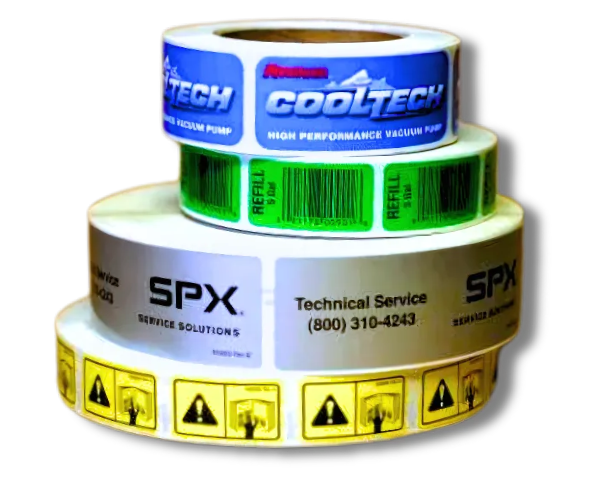
Film labels, including BOPP (Biaxially Oriented Polypropylene) and PET (Polyester), are durable and resistant to water, chemicals, and abrasion. They are ideal for products exposed to moisture, refrigeration, or handling that could damage paper labels. Film labels provide a sleek, professional appearance and maintain their integrity over time.
Vinyl and other synthetic materials are used for products requiring extreme durability. They resist tearing, stretching, and harsh environmental conditions, making them perfect for industrial or outdoor products. While more expensive than paper or standard film labels, they ensure your product remains identifiable under challenging conditions.
Sustainable packaging is increasingly important. Eco-friendly label materials, such as recycled paper or biodegradable films, offer environmental benefits without sacrificing quality. Specialty materials like metallic foils, textured surfaces, or custom finishes can also make your product stand out on the shelf.
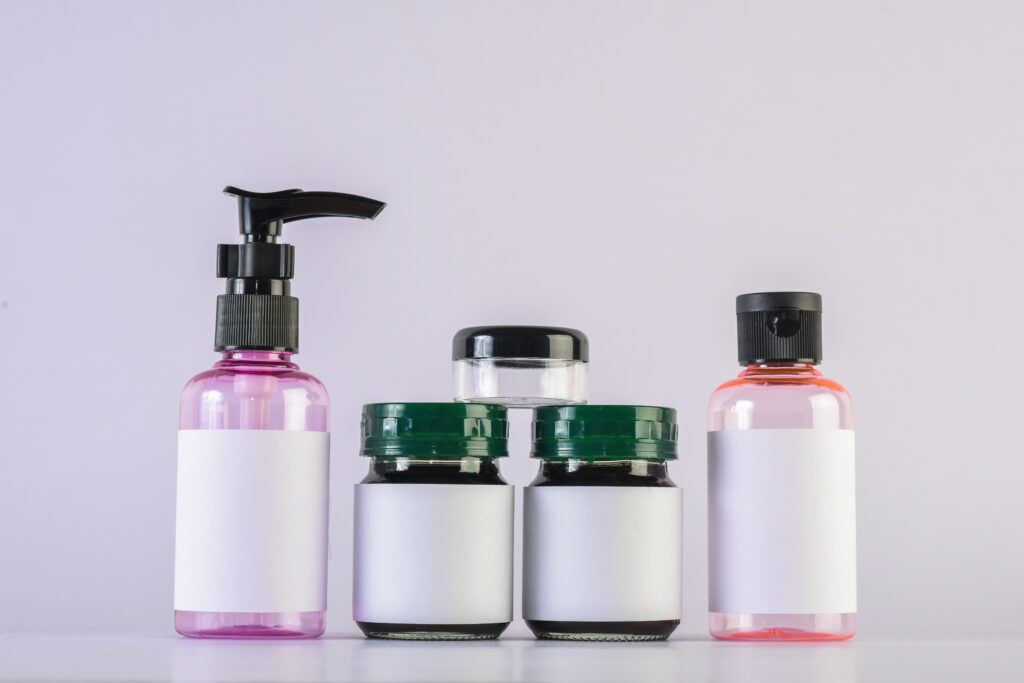
Consider the surface of the product. Flat surfaces generally allow for any material, while curved or irregular surfaces may require flexible film or vinyl to avoid wrinkling or peeling. Adhesion is also crucial; ensure the material sticks well to glass, plastic, metal, or cardboard.
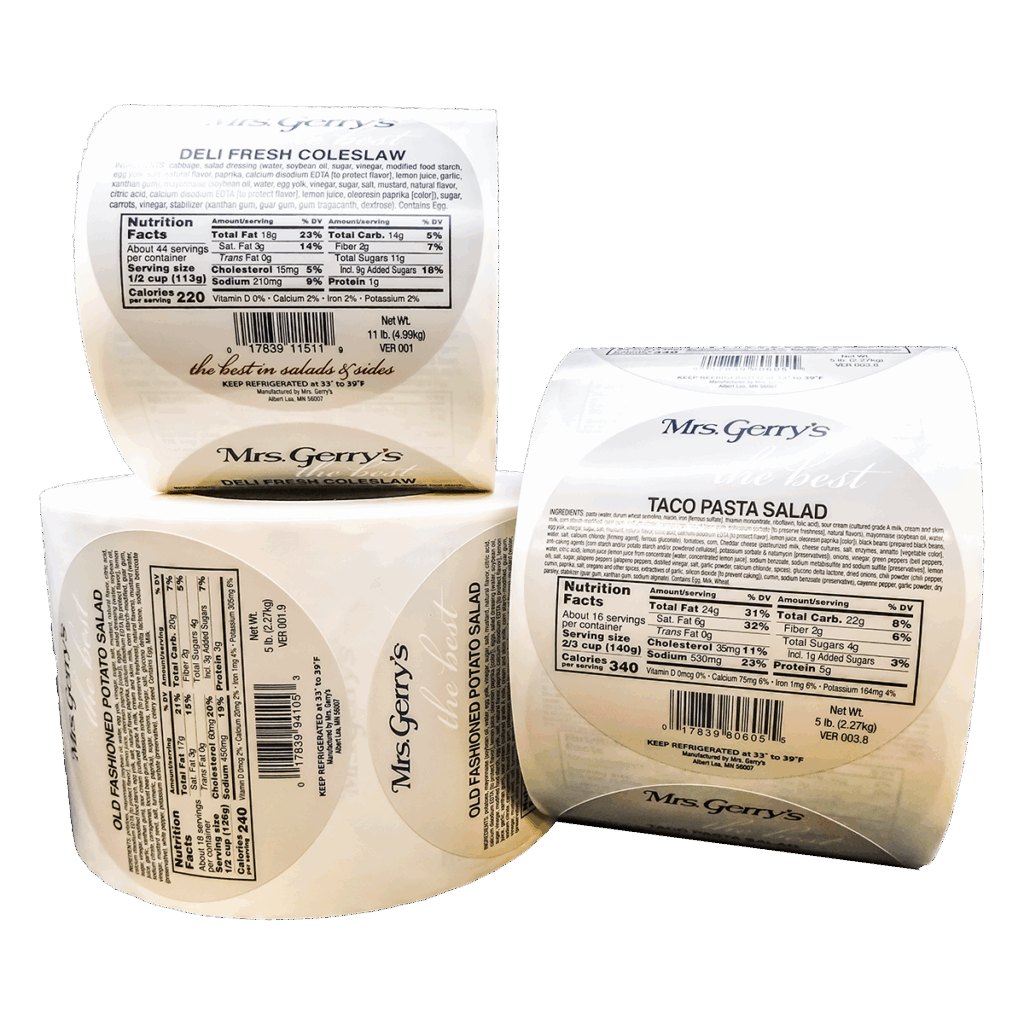
Think about where your product will be stored and used. Will it be refrigerated, frozen, exposed to heat, or stored in humid conditions? Paper labels may degrade in moisture, while films and synthetics provide higher durability for these scenarios.
Your label material affects color reproduction, texture, and print clarity. Paper labels excel in certain finishes, while films and synthetics provide vibrant, long-lasting results. Consider how your design will appear on different materials, especially if using metallic inks, embossing, or varnishes.
Some products, especially food, beverages, and pharmaceuticals, require compliance with industry standards and labeling regulations. Certain materials may better support barcodes, nutrition facts, or chemical resistance required for compliance.
Budget is a factor in material selection. While films and specialty materials cost more, they provide longevity and premium appeal. For high-volume production, balance material quality with cost efficiency to ensure consistent results.
| Material | Pros | Cons | Best For |
|---|---|---|---|
| Paper | Cost-effective, versatile, printable | Sensitive to moisture, less durable | Dry goods, indoor products |
| BOPP Film | Water-resistant, durable, professional | Slightly more expensive | Beverages, personal care, refrigerated products |
| PET Film | Strong, chemical-resistant, long-lasting | Higher cost | Industrial, outdoor, chemical products |
| Vinyl | Extremely durable, tear-resistant | Expensive | Outdoor, industrial, equipment labeling |
| Recycled/Biodegradable | Eco-friendly, sustainable | May limit finish options | Eco-conscious brands, sustainable products |
By carefully weighing these factors, you can select a label material that not only looks great but also protects and promotes your product effectively.
Ready to choose the perfect label material for your product? Submit your artwork and details to our expert team, and we’ll help you create a custom label that enhances your brand and meets your product’s needs. Get started here.